Danza - dance
Danza es el paso evolutivo entre la contradanza y el danzón — el primer baile de pareja verdadero de Cuba, más íntimo y más africano en carácter que las formaciones europeas que reemplazó.
Orígenes
La Danza se desarrolló durante las décadas de 1840–1870 cuando los compositores cubanos simplificaron la contradanza en piezas más cortas e íntimas diseñadas específicamente para dos personas que bailaban juntas. Fue la forma dominante del baile de salón en La Habana y matanzas"> Matanzas antes de que el danzón tomara el relevo en 1879.
Carácter del Baile
La Danza fue una desviación significativa de la contradanza:
- Baile de pareja puro — sin formaciones grupales, sin llamador; solo dos personas
- Abrazo más cercano — más contacto físico del que permitía la contradanza
- Comienzo del movimiento de cadera — el cuerpo comenzó a comprometerse más plenamente con el ritmo sincopado, con las caderas moviéndose como consecuencia natural del pulso musical
- Calidad sensual — según los estándares de la contradanza, la danza se consideraba provocativa; empujaba el límite de lo socialmente aceptable en el salón
Este era el ritmo de habanera afirmándose más fuertemente a través del cuerpo del bailarín.
Conexión Musical
La danza tenía dos secciones — una sección A introductoria y una sección B más activa rítmicamente — que la pareja bailaba continuamente sin parar. Este fue el precursor de la estructura más elaborada de múltiples secciones del danzón.
Compositivamente, las danzas para piano de Ignacio Cervantes se consideran obras maestras — piezas técnicamente sofisticadas que mezclan la técnica clásica europea con la vida rítmica cubana.
Hoy
Al igual que la contradanza, la danza es principalmente de interés histórico hoy en día — no se baila socialmente. Aparece en investigaciones musicológicas, actuaciones en concierto de las danzas para piano de Cervantes y contextos culturales folclóricos. Su legado vivo está en todo lo que vino después: el danzón, el son y todo el linaje de la danza cubana.
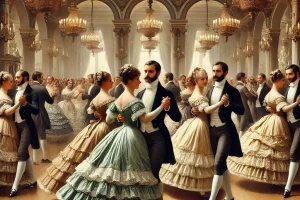
The danza was the evolutionary step between contradanza and danzón — a more intimate, more Cubanized couple's dance that dominated Havana's salons in the second half of the 19th century.
Lees meer >
The contradanza was the first European-derived dance form to take root in Cuba and begin transforming under African influence. It is the starting point of the Cuban salon dance lineage that would eventually produce danzón, mambo"> mambo, and cha-cha-chá.
Lees meer >
The contradanza was the first European-derived dance form to take root in Cuba and begin transforming under African influence. It is the starting point of the Cuban salon dance lineage that would eventually produce danzón, mambo"> mambo, and cha-cha-chá.
Lees meer >Danzón was the first national dance of Cuba — the form that unified the island's popular music identity in the late 19th and early 20th century, and the ancestor of mambo"> mambo, cha-cha-chá, and ultimately timba"> timba.
Lees meer >Cuba is the largest island in the Caribbean and the birthplace of some of the world's most influential music and dance traditions. African, Spanish, and French cultural streams collided here over centuries of colonial history, producing an extraordinary creative culture that exported itself across the globe.
Lees meer >The following dances have their origin in Matanzas:
The Casa de la Trova in santiago de cuba"> Santiago de Cuba is the spiritual home of Cuban traditional music — Son, Bolero, Changüí, and Trova. Founded in 1968 on Calle Heredia in the heart of Santiago's historic center, it has been the gathering place for the city's musicians for over half a century.
Lees meer >The piano is the harmonic and rhythmic heart of Cuban popular music. In timba"> timba, it is one of the most demanding and expressive instruments in the ensemble.
Lees meer >