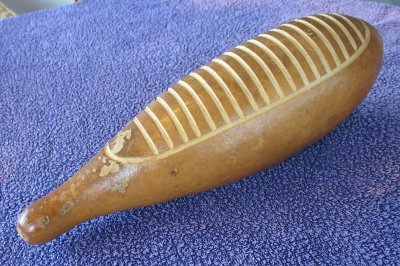
La expresiva - NG La Banda Examples – Music
La expresiva is also a beautiful way to discover NG's incredible bassist, Feliciano Arango.
Wikipedia
🎶 La Expresiva by NG La Banda – Detailed Timestamp Analysis
Overview:
“La Expresiva” is an iconic early timba song by NG La Banda, originally recorded in 1989 as part of the En la Calle sessions. It features Issac Delgado on lead vocals and NG’s legendary horn section, Los Metales del Terror. The song is foundational in defining the timba genre with its clave shifts, bass breakdowns, and virtuosic flute work.
▶️ YouTube – La Expresiva (original studio version)
🕒 Length: ~6:09
🧭 Timeline & Musical Sections
0:00 – Intro (Horn + Percussion)
- Bebop-inspired horn lines over a strong 2–3 clave
- Percussion plays a typical timba bell groove
- Bass enters with complex tumbao, signaling high energy from the start
0:20 – Verse Begins
- Issac Delgado enters with lead vocals
- Brass lays back slightly, rhythm section keeps up fast groove
- Lyrics begin listing Havana neighborhoods (alternate title: “Los Barrios de La Habana”)
1:15 – Horn Mambo + Clave Shift
- First mambo horn break, ends by cutting last two beats
- Clever clave flip from 2–3 to 3–2
- Piano & güiro briefly solo to mask the shift
- Sets up transition to next section
1:20 – Montuno Section & Coro 1
- Call-and-response starts: lead vs. coro
- Groove now fully in 3–2 clave
- Sparse instrumentation (initially piano, güiro) builds back up
- Bass and percussion realign with new clave feel
2:30 – Intensity Builds
- Repeating coro + improvising lead (soneos)
- Flute enters subtly, brass stabs punctuate groove
- High tension and preparation for the dramatic drop
3:31 – 🔥 Breakdown: Bass & Drum Punches
- Bass drops tumbao: glissandos and syncopated "punches"
- Rumba-inspired stop-time feel
- Mirrors breaks from rumba (e.g. Muñequitos de Matanzas)
- Signature timba innovation
3:40 – Flute Solo + Improvised Jam
- José Luis “El Tosco” Cortés solos on flute
- Full rhythm section + coro continue beneath
- Horns layer behind flute with moñas (riffs)
- Peak of improvisational energy
5:00 – Coro Reprise + Mambo Return
- Coro chants return stronger
- Lead voice delivers final soneos
- Horns reprise mambo figures
- Clave shifts back to 2–3, returning to original feel
5:40 – Coda (Intro Horn Line Returns)
- Horns quote the original intro riff
- Feels like “coming full circle”
- Band prepares for final hit
6:00 – Final Hit & Ending
- Last ensemble tutti
- Crisp, punchy timba-style ending
🧠 Musical Innovations Highlighted
| Element | Description |
|---|---|
| Clave manipulation | Mid-song 2–3 → 3–2 shift, then back again |
| Bass breakdown | Iconic glissandos + punch hits (3:31) |
| Call-response montuno | Lead and coro in tight interlock |
| Flute solo | Light, charanga-style solo by El Tosco |
| Horn mambo phrases | Repetitive, jazz-influenced punches |
| Structural symmetry | Returns to intro at end (5:40) |
📝 Sources
- Kevin Moore’s clave analysis
- Cuban Bridge article
- Wikipedia – NG La Banda
- Ed Morales, The Latin Beat (book)
Timba.com
La expresiva is also a beautiful way to discover NG's incredible bassist, Feliciano Arango. The first verse, at 0:10, is bursting with tasty melodic bass licks that dance all around Issac's vocal phrases much as Lester Young's sax lines complemented those of Billie Holiday. At 1:09 Arango creates the same kind of magical counterpoint against the horns. At 1:15 he inserts another wonderful bass device that's so common in timba, but was so rare before it...silence! At 2:05 is one of the earliest instances of the now common bass figure which slides down the neck on the upbeats of 2 and 4 - this style is now called bomba and is part of the vocabulary of every timba bassist.
After the first mambo at 1:15, the clave changes from 2:3 to 3:2. The last two beats of the mambo are omitted and the next section begins on the other side of the clave with only piano and güiro. At first it sounds like the piano is finishing the 2:3 phrase but it’s actually starting a new one in 3:2 as confirmed by the later entrance of the coro. The same process occurs in reverse at the end, when the opening horn section comes back briefly in 2:3. This exciting arrangement technique, which I used to call a "New York Style" clave change, but now call a Type 2 clave change, is not new to timba - it can be found in all sorts of early folkloric music and was used in a myriad of brilliant ways by artists such as Rubén Blades and The Fania All-Stars - but what is uniquely "timba" about this section is the way the texture changes so dramatically. For a brief moment we hear only piano; then Issac’s spoken voice and the güiro; then Arango’s bass slides; then Wickly’s tumbao; then a bluesy flute lick from Tosco; then the coro, which has an a cappella flavor due to the absence of a normal bassline; then Issac’s first guía. The full band comes in with Issac’s second guía. Another timba breakthrough is displayed in the piano tumbao (aka, piano montuno) itself, which is quite unlike the montuno to any other song. Devised by Miguelito Armas, it’s an original miniature composition with a catchy hook. Timba pianists would later take this concept much further, but it’s clearly present even here, on the first true timba album. Still another timba innovation is the way the structure and length of the coros keep changing as the arrangement winds its way through the various barrios of Havana, and the changing intervals at which the full band drops in and out of the texture. In the best timba, three elements of salsa arranging that had been fairly standardized and formulaic - coros, piano tumbaos, and bass tumbaos - are given a new degree of importance. Each is expected to be a unique mini-composition with a musical identity specific to just that song. www.timba.com
“La expresiva” introduced the phenomenon of New Timba break-downs, where the bass momentarily stops playing tumbao, and changes to glissandos (‘slides’) and accented percussive “punches,” that resemble drum strokes more than bass notes.
source