Geschiedenis
Bekijk: Een Geschiedenis van de Cubaanse Dans
Evolutie van de Cubaanse dans: Salon vs Populaire settings
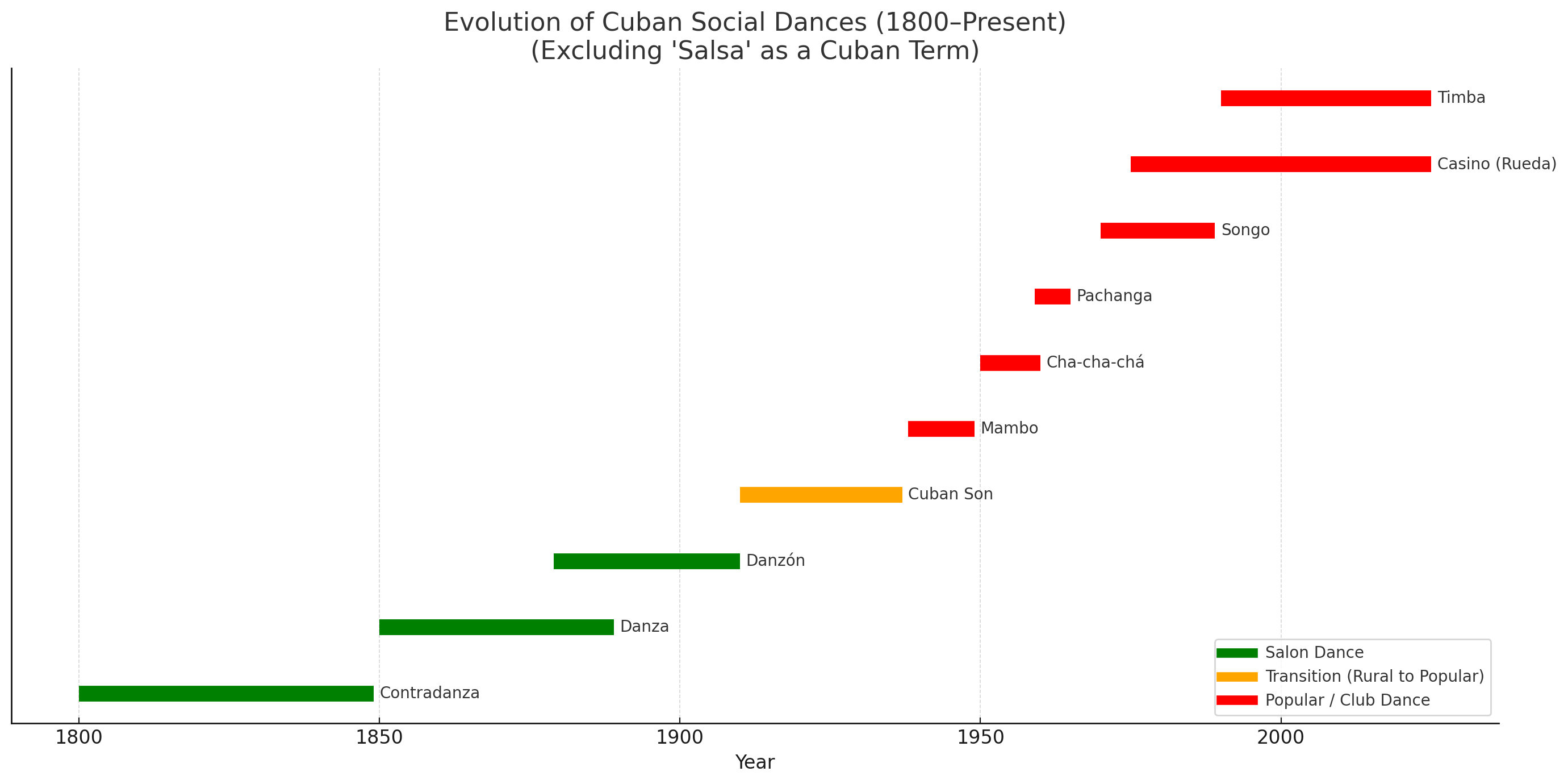
- Groen = Salon dansen (formeel, binnen)
- Oranje = Overgangsperiode (van landelijk of informeel naar bredere populariteit)
- Rood = Danszaal/club dansen (populair, sociale settings)
Contradanza – Vroege 19e eeuw (1800s)
Het evolueerde van de Europese contredanse en was populair in het begin van de 1800s in Cuba ( 1830-1840 ).
Contradanza is een Cubaanse dans met Europese wortels, beïnvloed door Franse en Engelse country dansen.
Het werd populair in Cuba en evolueerde later naar genres zoals Danzón, Mambo, en Salsa.

Danza - Midden tot late 19e eeuw (1850-1890)
Een meer Cubaanse vorm van contradanza, het werd prominent in de tweede helft van de 19e eeuw.
Danzón – Late 19e eeuw, rond 1879
Officieel geboren met de compositie "Las Alturas de Simpson" door Miguel Faílde in 1879.
Cubaanse Son – Vroege 20e eeuw, rond de jaren 1910
Verkreeg wijdverspreide populariteit in Cuba in de jaren 1920, door het mengen van Afrikaanse en Spaanse muzikale elementen.
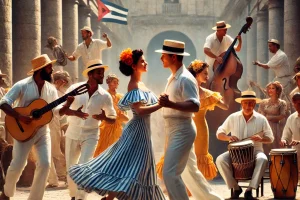
Cubaanse Son is een fundamentele Cubaanse muziek- en dansstijl die ontstond in de late 19e eeuw, door het mengen van Spaanse en Afrikaanse muzikale tradities. Het kenmerkt instrumenten zoals de tres, bongos, maracas, en het clave ritme. Son muziek volgt typisch een structuur met een verso (vers) sectie en een improviserende montuno sectie, vaak vergezeld door soepel, dichtbij-partner dansen.
Son speelde een sleutelrol in de evolutie van Salsa en werd een symbool van de Cubaanse cultuur, genres wereldwijd beïnvloedend. Belangrijke artiesten zoals Arsenio Rodríguez en Buena Vista Social Club hielpen Son internationaal te populariseren. Meer
Mambo – Late jaren 1930 tot 1940
Ontwikkeld in de late jaren 1930 en internationaal gepopulariseerd in de jaren 1940, met figuren zoals Dámaso Pérez Prado die een grote rol speelden.
Gecreëerd door componist Enrique Jorrín rond 1953, kort daarna een hit in Cuba en daarbuiten.
De danza was de evolutionaire stap tussen de contradanza en de danzón — een intiemere, meer Cubaans geworden paardans die in de tweede helft van de 19e eeuw de salons van Havana domineerde.
Lees meer >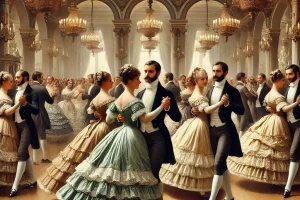
De contradanza was de eerste Europees-afgeleide dansvorm die wortel schoot in Cuba en begon te transformeren onder Afrikaanse invloed. Het is het beginpunt van de Cubaanse salondanslijn die uiteindelijk danzón, mambo en cha-cha-chá zou voortbrengen.
Lees meer >
De contradanza was de eerste Europees-afgeleide dansvorm die wortel schoot in Cuba en begon te transformeren onder Afrikaanse invloed. Het is het beginpunt van de Cubaanse salondanslijn die uiteindelijk danzón, mambo en cha-cha-chá zou voortbrengen.
Lees meer >Danzón was de eerste nationale dans van Cuba — de vorm die in de late 19e en vroege 20e eeuw de identiteit van de Cubaanse populaire muziek verenigde, en de voorloper van mambo, cha-cha-chá en uiteindelijk timba.
Lees meer >De cha-cha-chá werd geboren uit een eenvoudige observatie: dansers hadden moeite om mambo te volgen. De bedenker gaf hen een ritme dat ze in hun voeten konden voelen — en het resultaat werd een van de meest gedanste muziekstijlen in de geschiedenis.
Lees meer >Cuba is the largest island in the Caribbean and the birthplace of some of the world's most influential music and dance traditions. African, Spanish, and French cultural streams collided here over centuries of colonial history, producing an extraordinary creative culture that exported itself across the globe.
Lees meer >The Casa de la Trova in Santiago de Cuba is the spiritual home of Cuban traditional music — Son, Bolero, Changüí, and Trova. Founded in 1968 on Calle Heredia in the heart of Santiago's historic center, it has been the gathering place for the city's musicians for over half a century.
Lees meer >The Buena Vista Social Club was originally a members' club in Havana's Buena Vista neighborhood, active in the 1940s and 50s as a gathering place for musicians playing Son, Danzón, Bolero, and Guaracha. It closed after the Revolution but was immortalized in 1997 when Ry Cooder brought together a group of surviving veteran musicians to record an album under the same name.
Lees meer >
De bongo is een paar kleine, open trommels die met vingers en handpalmen worden bespeeld. Het instrument is afkomstig uit het oosten van Cuba en werd een van de bepalende percussiestemmen van son en timba.
Lees meer >
De clave is een fundamenteel ritmisch patroon en organiserend principe in de Cubaanse muziek. Het dient zowel als muzikaal patroon als als leidend concept, diep geworteld in Afro-Cubaanse tradities.
Lees meer >
De tres is een Cubaans gitaarachtig instrument met drie paren (koorsets) snaren. Het is het bepalende melodisch-ritmische instrument van son cubano en zijn vooroudergenres.
Lees meer >De piano is het harmonisch en ritmisch hart van de Cubaanse populaire muziek. In timba is het een van de meest veeleisende en expressieve instrumenten van het ensemble.
Lees meer >Mambo
In Cubaanse muziek, met name in salsa en son,
verwijst het "mambo"-gedeelte doorgaans naar een krachtige, ritmisch intense instrumentale break,
die vaak repetitieve hoornlijnen, call-and-response-patronen en opbouwende energie naar het hoogtepunt van een nummer bevat.
The Casa de la Trova in Santiago de Cuba is the spiritual home of Cuban traditional music — Son, Bolero, Changüí, and Trova. Founded in 1968 on Calle Heredia in the heart of Santiago's historic center, it has been the gathering place for the city's musicians for over half a century.
Lees meer >Montuno
🛎️ 1. Algemene rol van de cowbell
🎹 2. Montuno-sectie
Het montuno is het call-and-response-gedeelte aan het einde van een salsa- of son-nummer, waar alles zich ritmisch opent.
- Het cowbell-patroon wordt vast en aandrijvend, vaak het "salsa bell"-patroon:
(Slagen op 1, de "&" van 2, 4 en de "&" van 4)
- De bongocero wisselt op dit punt van handtrommel naar cowbell.
- De cowbell houdt de maat boven de clave en ondersteunt het montuno-pianopatroon, de bas-tumbao en de hoornriffs.
Dus:
🕐 Cowbell = tijdhouder
🎹 Piano = syncopatie
🎺 Horens/stemmen = call & response
- Letterlijk "mars omlaag" — dit gedeelte is rustiger, vaak vóór de montuno.
- De cowbell wordt hier normaal niet gespeeld.
In plaats daarvan hoor je voornamelijk congas, bongo's en timbales op zachtere instrumenten zoals de cáscara (timbalepatroon op de rand).
- Het ritme is subtieler, waardoor er ruimte is voor zang of melodische inhoud.
Dus:
In marcha abajo rust de cowbell of speelt hij zacht (als überhaupt), en ligt de ritmische nadruk op cáscara of bongó martillo.
- "Mars omhoog" — dit betekent dat de groove intensiveert.
- De cowbell komt sterk naar voren en geeft de hoofdpuls.
- De timbalero speelt gewoonlijk de grote cowbell ( campana), terwijl de bongocero de kleinere bel kan spelen voor contrast.
- Dit gedeelte draait om energie en vaart — het hoogtepunt van de dans.
Dus:
In marcha arriba leidt de cowbell de ritmesectie en sluit aan bij bas en clave om de muziek voorwaarts te stuwen.
🧭 Overzichtstabel
| Sectie |
Cowbell-speler |
Functie |
Typisch patroon |
Energie |
| Marcha abajo |
Normaal stil of licht (cáscara i.p.v.) |
Houdt groove subtiel |
Cáscara op timbales |
Laag–Midden |
| Montuno |
Bongocero (kleine bel) |
Houdt vaste tijdlijn voor montuno |
Salsa bell-patroon |
Midden–Hoog |
| Marcha arriba |
Timbalero (grote bel) |
Drijft ritme, piekenergie |
Salsa bell (luider, zwaarder) |
Hoog |
Wil je dat ik ritmische notatie (in 2–3 en 3–2 clave-uitlijning) toevoeg voor het cowbell-patroon van elke sectie? Dat kan het makkelijker maken om te visualiseren hoe het past binnen de rest van de ritmesectie.
De bongo is een paar kleine, open trommels die met vingers en handpalmen worden bespeeld. Het instrument is afkomstig uit het oosten van Cuba en werd een van de bepalende percussiestemmen van son en timba.
Lees meer >
De bongo is een paar kleine, open trommels die met vingers en handpalmen worden bespeeld. Het instrument is afkomstig uit het oosten van Cuba en werd een van de bepalende percussiestemmen van son en timba.
Lees meer >
De bongo is een paar kleine, open trommels die met vingers en handpalmen worden bespeeld. Het instrument is afkomstig uit het oosten van Cuba en werd een van de bepalende percussiestemmen van son en timba.
Lees meer >
Dansen op de Campana (Cowbell)
In Cubaanse timba en songo is de campana (cowbell) niet zomaar een ritme — het is een communicatiesysteem tussen de band en de dansers.
Lees meer >
Dansen op de Campana (Cowbell)
In Cubaanse timba en songo is de campana (cowbell) niet zomaar een ritme — het is een communicatiesysteem tussen de band en de dansers.
Lees meer >
De clave is een fundamenteel ritmisch patroon en organiserend principe in de Cubaanse muziek. Het dient zowel als muzikaal patroon als als leidend concept, diep geworteld in Afro-Cubaanse tradities.
Lees meer >De timbales ( pailas criollas) zijn een paar ondiepe trommels met metalen behuizing, op een standaard gemonteerd en bespeeld met houten stokken. Ze zijn de ritmische motor van charanga-orkesten en spelen een cruciale rol in timba.
Lees meer >De piano is het harmonisch en ritmisch hart van de Cubaanse populaire muziek. In timba is het een van de meest veeleisende en expressieve instrumenten van het ensemble.
Lees meer >De termen "marcha abajo" en "marcha arriba" beschrijven verschillende energieniveaus of secties binnen de montuno.
Lees meer >The terms "marcha abajo" and "marcha arriba" describe different energy levels or sections within the montuno.
Lees meer >Montuno
De cowbell
🛎️ 1. Algemene rol van de cowbell
🎹 2. Montuno-sectie
Het montuno is het call-and-response-gedeelte aan het einde van een salsa- of son-nummer, waar alles zich ritmisch opent.
- Het cowbell-patroon wordt vast en aandrijvend, vaak het "salsa bell"-patroon:
(Slagen op 1, de "&" van 2, 4 en de "&" van 4)
- De bongocero wisselt op dit punt van handtrommel naar cowbell.
- De cowbell houdt de maat boven de clave en ondersteunt het montuno-pianopatroon, de bas-tumbao en de hoornriffs.
Dus:
🕐 Cowbell = tijdhouder
🎹 Piano = syncopatie
🎺 Horens/stemmen = call & response
🔻 3. Marcha Abajo (ondersectie)
- Letterlijk "mars omlaag" — dit gedeelte is rustiger, vaak vóór de montuno.
- De cowbell wordt hier normaal niet gespeeld.
In plaats daarvan hoor je voornamelijk congas, bongo's en timbales op zachtere instrumenten zoals de cáscara (timbalepatroon op de rand).
- Het ritme is subtieler, waardoor er ruimte is voor zang of melodische inhoud.
Dus:
In marcha abajo rust de cowbell of speelt hij zacht (als überhaupt), en ligt de ritmische nadruk op cáscara of bongó martillo.
🔺 4. Marcha Arriba (bovensectie)
- "Mars omhoog" — dit betekent dat de groove intensiveert.
- De cowbell komt sterk naar voren en geeft de hoofdpuls.
- De timbalero speelt gewoonlijk de grote cowbell (campana), terwijl de bongocero de kleinere bel kan spelen voor contrast.
- Dit gedeelte draait om energie en vaart — het hoogtepunt van de dans.
Dus:
In marcha arriba leidt de cowbell de ritmesectie en sluit aan bij bas en clave om de muziek voorwaarts te stuwen.
🧭 Overzichtstabel
| Sectie |
Cowbell-speler |
Functie |
Typisch patroon |
Energie |
| Marcha abajo |
Normaal stil of licht (cáscara i.p.v.) |
Houdt groove subtiel |
Cáscara op timbales |
Laag–Midden |
| Montuno |
Bongocero (kleine bel) |
Houdt vaste tijdlijn voor montuno |
Salsa bell-patroon |
Midden–Hoog |
| Marcha arriba |
Timbalero (grote bel) |
Drijft ritme, piekenergie |
Salsa bell (luider, zwaarder) |
Hoog |
Wil je dat ik ritmische notatie (in 2–3 en 3–2 clave-uitlijning) toevoeg voor het cowbell-patroon van elke sectie? Dat kan het makkelijker maken om te visualiseren hoe het past binnen de rest van de ritmesectie.
