Ignacio Cervantes
Cuba's greatest 19th-century classical composer — Ignacio Cervantes elevated the contradanza and danza to serious concert music while keeping them rooted in Cuban rhythmic character.
About
Cervantes studied at the Paris Conservatoire and returned to Cuba as the most technically accomplished Cuban composer of his era. His contradanzas and danzas for solo piano are the finest examples of Cuban classical music from the 19th century — combining European formal mastery with distinctly Cuban rhythmic feeling.
His work represents the high point of the danza tradition before its transformation into danzón. Unlike Saumell, who worked primarily in popular contexts, Cervantes brought the Cuban piano tradition into the concert hall, demonstrating that Cuban music could be both genuinely Cuban and genuinely sophisticated.
The danza was the evolutionary step between contradanza and danzón — a more intimate, more Cubanized couple's dance that dominated Havana's salons in the second half of the 19th century.
Lees meer >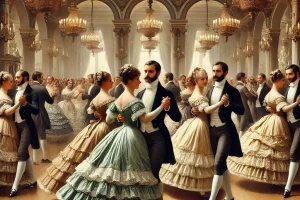
The contradanza was the first European-derived dance form to take root in Cuba and begin transforming under African influence. It is the starting point of the Cuban salon dance lineage that would eventually produce danzón, mambo, and cha-cha-chá.
Lees meer > Cuba is the largest island in the Caribbean and the birthplace of some of the world's most influential music and dance traditions. African, Spanish, and French cultural streams collided here over centuries of colonial history, producing an extraordinary creative culture that exported itself across the globe.
Lees meer >The piano is the harmonic and rhythmic heart of Cuban popular music. In timba, it is one of the most demanding and expressive instruments in the ensemble.
Lees meer >